Grounding Sheets for Better Sleep: A Science-Informed Guide
Grounding sheets for better sleep are becoming a popular part of modern wellness routines, especially among people who want to improve rest in a natural, low-effort way. Also known as earthing sheets or grounding bed sheets, these products are designed to connect your body to the earth's electrical charge while you sleep. Supporters believe this gentle connection may help promote relaxation, support recovery, and make the bedroom feel more restorative.
The idea is simple: your sleep environment matters. Light, temperature, stress, caffeine, bedding, and evening habits all influence how well you rest. Grounding sheets do not replace healthy sleep hygiene, and they should not be presented as a cure for medical conditions. But for people building a science-informed wellness lifestyle, they may be worth understanding.
This guide explains what grounding sheets are, how they may support sleep improvement naturally, what the research currently suggests, and how to choose grounding bed sheets with comfort, safety, and quality in mind.
What Are Grounding Sheets for Better Sleep?
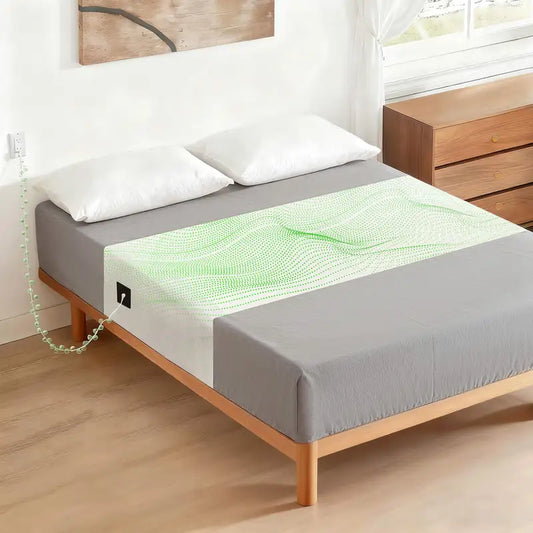
Grounding sheets for better sleep are bedding products woven with conductive materials, often silver or carbon fibers, that allow the sheet to connect to a grounded source. Most indoor grounding sheets plug into the grounding port of a properly grounded wall outlet. Some systems may connect to a grounding rod placed outside, depending on the product design.
The sheet itself typically feels similar to regular bedding. The conductive fibers are usually blended into soft cotton, organic cotton, or other comfortable fabrics so the product can be used like a normal fitted sheet, flat sheet, or sleep pad.
The basic setup often includes:
- A conductive grounding sheet or sleep mat
- A cord that snaps onto the sheet
- A connection to a grounded outlet or grounding rod
- An outlet tester or continuity tester
- Instructions for safe installation and care
The key difference between regular sheets and earthing sheets is conductivity. Regular sheets provide comfort and temperature regulation. Grounding bed sheets are designed to provide comfort while also creating a grounded surface that can contact your skin during sleep.
For sleep-focused shoppers, the appeal is practical. You do not need to add another supplement, device, or complicated evening ritual. Once the product is installed correctly, it becomes a passive part of your nightly routine.
Why Sleep Quality Is a Wellness Priority
Sleep is not just time away from work, screens, or responsibilities. It is a nightly recovery process that supports mood, attention, immune function, metabolic health, and physical repair. When sleep quality drops, many people feel it quickly: more stress, less patience, lower energy, stronger cravings, and slower recovery after exercise.
That is why many wellness-minded consumers are looking for sleep improvement naturally. They may already understand the basics: dim the lights, keep the bedroom cool, reduce late caffeine, avoid heavy meals before bed, and create a consistent sleep schedule. Yet even with those habits, some people still feel their sleep could be deeper or more restorative.
Grounding sheets fit into this larger category of environmental sleep optimization. Instead of forcing sleep, they aim to improve the conditions around sleep. The bedroom becomes a place that signals calm: breathable bedding, lower light, less stimulation, comfortable temperature, and possibly a grounded sleep surface.
It is important to keep expectations realistic. No single product can undo chronic stress, irregular schedules, sleep apnea, heavy alcohol use, or an overstimulating evening routine. But a well-designed sleep environment can remove friction. For many people, that is where meaningful improvement begins.
How Earthing Sheets May Support a Calmer Nighttime Routine
Earthing sheets are based on the broader idea of grounding, which refers to direct or indirect physical contact with the earth's surface. Walking barefoot on grass, sand, or soil is a classic example. Indoor grounding products attempt to bring a similar connection into the home through conductive materials and a grounded connection.
The proposed mechanism is that the earth has a subtle electrical charge, and contact with a grounded surface may influence the body's electrical environment. Some researchers have explored whether grounding may affect inflammation markers, cortisol patterns, blood flow, or autonomic nervous system balance. These areas are still being studied, and the evidence is not yet definitive.
From a sleep routine perspective, the potential benefit may also be behavioral. Using grounding sheets can encourage people to become more intentional about bedtime. They may test their outlet, choose higher quality bedding, reduce evening stimulation, and pay closer attention to how they feel in the morning. That awareness alone can improve sleep habits.
Some users describe grounding bed sheets as calming. Others notice little or no difference. Both experiences are possible. Sleep is personal, and many variables change from night to night.
The safest way to think about earthing sheets is this: they may help support relaxation and a more grounded nighttime environment, but they are one piece of a broader sleep wellness strategy.
What the Research Suggests About Grounding and Sleep
Research on grounding and sleep is still developing. Some small studies and observational reports suggest grounding may be associated with improved sleep quality, reduced nighttime discomfort, better subjective rest, and changes in stress-related patterns such as cortisol rhythm. These findings are interesting, but they should be interpreted with care.
Many grounding studies have limitations. Sample sizes may be small. Some outcomes rely on self-reported sleep quality. Product types, study designs, and participant populations can vary. More large-scale, independent research is needed before strong conclusions can be made.
That said, early research has helped make grounding a topic of interest in the wellness community. It also gives consumers a reason to ask better questions:
- Was the study peer reviewed?
- How many people participated?
- Was the product tested against a control?
- Were the results subjective, objective, or both?
- Are the claims being made by a brand stronger than the study supports?
For Shopify brands and wellness writers, this distinction matters. It is better to say "some studies suggest" or "grounding may support" than to promise that grounding sheets will treat insomnia, cure inflammation, or eliminate pain. Responsible language builds trust.
If someone has a diagnosed sleep disorder, chronic pain, an inflammatory condition, or persistent fatigue, grounding sheets should not replace professional care. They may be explored as a supportive wellness product, but medical concerns deserve medical guidance.
How to Choose Grounding Sheets for Better Sleep
Choosing grounding sheets for better sleep should feel similar to choosing premium bedding, with a few extra technical details. Comfort still matters. If the sheet feels scratchy, sleeps hot, or fits poorly, you are less likely to use it consistently.
Look for Comfortable Materials
High-quality grounding sheets often use cotton, organic cotton, or soft blended fabrics. The best option depends on your preferences. Cotton is breathable and familiar. Organic cotton may appeal to customers who prioritize cleaner materials. Some blends can improve durability or stretch.
Pay attention to:
- Thread feel and softness
- Breathability
- Mattress depth compatibility
- Whether it is a fitted sheet, flat sheet, or sleep pad
- Care instructions
A grounding sheet should support your sleep comfort first. Conductivity is important, but comfort determines whether the product becomes part of your real routine.
Check the Conductive Fibers
Most earthing sheets use silver or carbon-based conductive threads. Silver is common because it is highly conductive and can be woven into fabric. The amount, spacing, and quality of conductive material can influence performance and durability.
Look for clear product information. A trustworthy brand should explain what conductive material is used, how the sheet connects, and how customers can test the setup.
Prioritize Testing and Safety
A good grounding sheet system should include or recommend an outlet tester. This helps confirm that the wall outlet is properly grounded before use. If an outlet is not grounded, the product may not function as intended.
In older homes, wiring can be unpredictable. If you are unsure, ask a qualified electrician to inspect the outlet. This is especially important for customers in older apartments, renovated homes, or properties with unknown electrical history.
Consider Fit and Maintenance
Grounding bed sheets should fit securely on your mattress and withstand regular washing. Read care instructions carefully. Harsh detergents, bleach, fabric softeners, and high heat may damage conductive fibers or reduce performance over time.
For many users, a fitted sheet is the easiest option. Others may prefer a half-sheet or sleep mat that covers the area where the torso or legs rest. The best choice depends on budget, bed size, climate, and how much direct contact you want.
How to Use Grounding Bed Sheets Safely
Grounding bed sheets are designed to be simple, but setup matters. Always follow the manufacturer's instructions, because details can vary by product.
A typical routine looks like this:
- Test the outlet with a proper outlet tester.
- Place the grounding sheet on the bed as instructed.
- Attach the grounding cord to the sheet.
- Plug the cord into the grounding port or approved grounding connection.
- Make sure part of your skin contacts the conductive surface.
- Wash and care for the sheet according to instructions.
Direct skin contact usually improves conductivity. Bare feet, legs, arms, or hands can be enough, depending on how the sheet is positioned. Thick pajamas or layers of bedding between your body and the conductive surface may reduce contact.
People with implanted medical devices, complex health conditions, or concerns about electrical sensitivity should talk with a healthcare professional before using grounding products. Grounding sheets are generally low-intervention wellness products, but personal context matters.
The safest message is also the simplest: test first, follow instructions, and use grounding sheets as part of a sensible sleep routine.
Building a Natural Sleep Improvement Routine Around Earthing Sheets
Grounding sheets work best when the rest of the sleep environment supports the same goal. If your bedroom is bright, warm, noisy, and full of late-night scrolling, even the best bedding may struggle to make a noticeable difference.

To support sleep improvement naturally, pair earthing sheets with foundational habits:
- Get morning sunlight within the first hour of waking when possible.
- Keep caffeine earlier in the day.
- Dim lights in the evening.
- Reduce phone and laptop exposure close to bedtime.
- Keep the bedroom cool, dark, and quiet.
- Use breathable bedding that helps regulate temperature.
- Create a consistent wind-down routine.
You do not need a perfect routine. In fact, overly complicated sleep routines can become stressful. Choose a few habits that are easy to repeat. Grounding sheets can then become part of a calming signal: the day is ending, the room is quiet, and the body can settle.
Tracking can also help. For two to four weeks, note your bedtime, wake time, caffeine timing, alcohol intake, evening screen use, and how rested you feel in the morning. This makes it easier to understand whether grounding sheets are helping or whether another factor is driving your sleep changes.
Who May Benefit Most From Trying Grounding Sheets?
Grounding sheets may appeal to several types of wellness consumers.
People Focused on Sleep Optimization
If you already care about sleep quality and enjoy refining your bedroom environment, grounding sheets may be a natural next step. They fit well with premium bedding, temperature regulation, blackout curtains, and other sleep-supportive upgrades.
People Who Prefer Passive Wellness Tools
Some wellness routines require discipline: supplements, meditation, breathwork, stretching, journaling, or strict schedules. Grounding bed sheets are more passive. Once they are set up, they work in the background of your normal sleep routine.
Recovery-Minded Customers
Athletes, active professionals, and people who value recovery may be interested in grounding because some research has explored inflammation, muscle recovery, and discomfort. Again, these are not guaranteed outcomes, but they align with the broader recovery conversation.
Frequent Travelers Returning Home
Travel can disrupt circadian rhythm, stress levels, and sleep timing. A grounding sheet at home may become part of a return-to-routine ritual: unpack, hydrate, dim the lights, and sleep in a familiar grounded bed.
Grounding sheets are not the right fit for everyone. Some people may not notice enough difference to justify the investment. Others may love the combination of comfort, routine, and calm. The best approach is informed experimentation.
Common Mistakes to Avoid
The first mistake is expecting instant transformation. Some people report quick changes, but many sleep improvements happen gradually. Give your body time, and avoid judging the product after one unusual night.
The second mistake is buying only on price. Low-cost grounding sheets may cut corners on fabric quality, conductive material, testing accessories, or customer education. Since the product touches your skin for hours every night, quality matters.
The third mistake is ignoring outlet testing. A grounding sheet needs a proper grounded connection. Without that, you may be sleeping on a regular sheet with a cord attached.
The fourth mistake is using grounding sheets while neglecting obvious sleep disruptors. Late caffeine, alcohol, inconsistent bedtimes, and bright screens can overpower subtle wellness supports.
The fifth mistake is believing every claim online. Be cautious with language that promises cures, guaranteed results, or dramatic medical benefits. Trustworthy grounding brands should be comfortable using measured, science-informed language.
Final Thoughts
Grounding sheets for better sleep sit at the intersection of premium bedding, natural wellness, and sleep optimization. They are designed to make grounding part of your nightly routine through a comfortable conductive sleep surface.
The current research is promising in some areas but still limited. Some studies suggest grounding may support sleep quality, stress regulation, recovery, or inflammation-related markers, but more evidence is needed. For that reason, grounding sheets are best understood as a supportive wellness product, not a medical solution.
If you are already improving your sleep environment and want a passive, natural tool to explore, earthing sheets may be worth considering. Choose quality materials, test your outlet, follow instructions, and give yourself enough time to notice patterns.
Better sleep rarely comes from one magic change. It usually comes from a thoughtful environment, consistent habits, and a calmer relationship with rest. Grounding bed sheets may become one meaningful part of that routine.