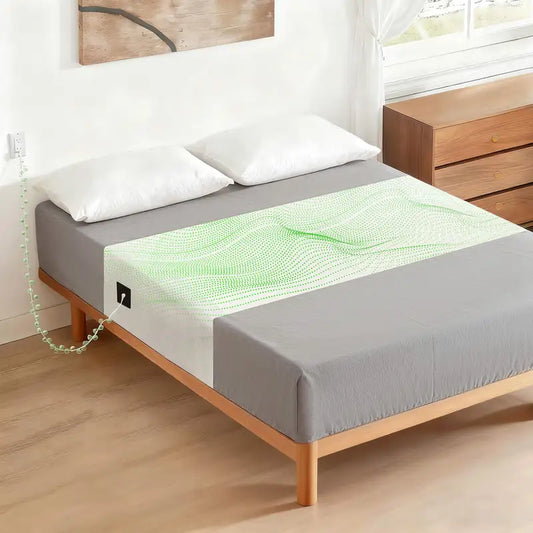
Grounding Sheets for Sleep Hygiene: A Science-Informed Bedroom Routine
Sleep hygiene is the collection of habits and environmental choices that make restorative sleep more likely. It is not a single trick or product. It is the repeatable pattern created by light exposure, timing, temperature, noise, caffeine, movement, stress, and the way a bedroom feels at night.
For people exploring grounding sheets for sleep hygiene, the most useful question is not whether one item can “fix” sleep. A better question is: where can grounding bedding fit within an evidence-aware routine that already respects the fundamentals?
This guide takes that practical view. Grounding sheets may offer a low-effort way to add a sense of nature, comfort, and intentionality to bedtime. Research on grounding remains preliminary, however, and the strongest sleep-hygiene gains still come from consistent routines and a well-designed sleep environment.
What Sleep Hygiene Actually Means
Sleep hygiene is often reduced to a checklist, but its real purpose is to align behavior and environment with the body’s natural sleep-wake rhythm. The goal is to create clear signals: daytime is for light and activity; nighttime is for quiet, darkness, and recovery.
Core sleep-hygiene practices include:
- Keeping a reasonably consistent sleep and wake time
- Getting outdoor light, especially earlier in the day
- Reducing bright light and stimulating screens before bed
- Limiting caffeine late in the day and alcohol near bedtime
- Keeping the bedroom cool, dark, and quiet
- Choosing comfortable, breathable bedding
- Building a short wind-down ritual that is easy to repeat
These practices work together. A premium mattress cannot compensate for a changing bedtime every night, just as a perfect evening routine cannot fully overcome a bright, noisy bedroom. Sleep improves most reliably when several small signals point in the same direction.
Where Grounding Sheets Fit Into Sleep Hygiene
Grounding, also called earthing, refers to contact with the Earth’s surface or with a conductive surface connected to ground. Walking barefoot on grass or sand is the simplest outdoor example. Indoor grounding sheets are designed to bring a version of that experience into the bedroom.
Within sleep hygiene, grounding sheets are best viewed as an optional environmental layer. They do not replace circadian-friendly light, a stable schedule, appropriate medical care, or basic comfort. Their value may come from several overlapping qualities:
- A consistent sensory cue. A familiar bed can become part of the brain’s learned transition from activity to rest.
- A nature-connected ritual. Grounding can reinforce a broader preference for simple, natural wellness habits.
- Passive participation. Once a sheet is correctly set up, it does not add another complicated task to the evening.
- More attention to the bedroom. Choosing intentional bedding often prompts people to improve temperature, lighting, and other sleep conditions too.
This framing keeps expectations realistic. The sheet is not the routine; it is one element inside the routine.
What the Science Can—and Cannot—Say
Sleep research strongly supports consistent timing, appropriate light exposure, comfortable temperature, and management of common disruptors such as caffeine and alcohol. The evidence for grounding itself is much smaller.
Some small studies and observational reports have explored associations between grounding and subjective sleep, stress patterns, discomfort, or recovery. These early findings are interesting, but limitations matter. Studies may include few participants, rely on self-reported outcomes, use different grounding methods, or lack large independent replications.
That means responsible language is essential. Grounding sheets may support a calmer nighttime environment for some people. Some users report feeling more settled or rested. Others notice little difference. Current evidence does not justify promises to treat insomnia, reduce inflammation, cure pain, or guarantee deeper sleep.
If persistent sleep problems affect daytime function, or if symptoms include loud snoring, breathing pauses, severe fatigue, or ongoing pain, consult a qualified healthcare professional. A wellness product should never delay appropriate assessment.
Build the Foundations Before Adding Grounding Sheets

Start With Morning Light
Morning light helps anchor the circadian rhythm. Try to spend time outdoors soon after waking, even on cloudy days. Natural outdoor light is typically much brighter than indoor lighting and helps the body distinguish day from night.
Grounding sheets are used at night, but their place in sleep hygiene begins in the morning. A strong daytime signal can make the evening wind-down more effective.
Keep Timing Predictable
The body responds well to patterns. Aim for a wake time that remains fairly stable across weekdays and weekends. Bedtime can then follow natural sleepiness instead of becoming a nightly negotiation.
Perfection is unnecessary. A realistic schedule repeated most days is more useful than a rigid plan that causes anxiety.
Manage Light and Stimulation at Night
During the last hour before bed, lower overhead lighting and reduce highly stimulating content. If screens are necessary, dim them and choose calmer activities. The aim is not to fear technology but to reduce signals that compete with sleep.
Make the Room Physically Comfortable
A cool, dark, quiet room supports sleep for most people. Blackout curtains, a sleep mask, soft ambient sound, or breathable bedding can help, depending on the space. Comfort is especially important when considering grounding sheets: if bedding feels hot, rough, or distracting, it will work against the purpose of sleep hygiene.
A Simple Routine Using Grounding Sheets for Sleep Hygiene
A useful routine should be short enough to survive busy nights. Try this sequence:
Two Hours Before Bed
- Finish heavy meals when practical
- Avoid using alcohol as a sleep aid
- Reduce work intensity and emotionally activating tasks
- Set the bedroom to a comfortable temperature
One Hour Before Bed
- Dim the lights
- Put the phone on a quieter setting
- Choose a low-stimulation activity such as reading, stretching, or preparing for the next day
- Make sure the bed feels clean, uncluttered, and inviting
At Bedtime
- Use the grounding sheet according to its manufacturer’s instructions
- Allow comfortable skin contact as directed, without obsessing over a precise position
- Take a few slow breaths and let the setup serve as a cue that the day is complete
- Keep clocks and notifications out of immediate view
The routine should feel calm rather than technical. Product-specific safety and setup directions always take priority, but bedtime itself does not need to become a laboratory procedure.

How to Evaluate Whether the Routine Helps
Sleep changes from night to night, so one unusually good or poor night proves very little. Use a simple two- to four-week observation period.
Track only a few variables:
- Approximate bedtime and wake time
- How long falling asleep seemed to take
- Number of remembered awakenings
- Morning sense of restfulness on a 1–5 scale
- Late caffeine, alcohol, travel, illness, or unusual stress
Do not change five things at once. Establish the basic routine first, then add grounding sheets while keeping other variables as stable as reasonably possible. This is not a clinical trial, but it is more informative than relying on memory or expectations.
Look for patterns rather than perfection. A useful change might be a more consistent wind-down or slightly better morning restfulness—not a dramatic transformation every night.
Common Mistakes to Avoid
Treating One Product as the Whole Strategy
No bedding choice can neutralize chronic sleep deprivation, irregular timing, or untreated sleep disorders. Keep the foundations visible.
Expecting an Immediate, Guaranteed Effect
People respond differently. Give the routine enough time to observe, and remain comfortable with a neutral result.
Ignoring Comfort
Texture, breathability, cleanliness, and room temperature matter. A sleep-supportive surface should first feel pleasant to sleep on.
Adding Too Much Complexity
A long list of supplements, trackers, gadgets, and rituals can create performance pressure around sleep. Grounding sheets appeal partly because they can remain in the background. Preserve that simplicity.
Using Medical Language for a Wellness Choice
Grounding is not a substitute for diagnosis or treatment. Claims about curing insomnia, inflammation, or chronic pain go beyond what current evidence can responsibly support.
Choosing a Premium, Sleep-Friendly Approach
For a high-end wellness routine, quality is less about spectacle and more about how consistently an item supports comfort. Consider softness, breathability, fit, care requirements, transparent instructions, and credible customer education.
The bedroom should also remain visually quiet. Natural colors, uncluttered surfaces, warm low lighting, and a few tactile materials can create a calmer setting. A grounding sheet does not need to dominate the room. It can simply belong to an intentional sleep space.
If sustainability and material sourcing matter to you, review the brand’s stated standards and care guidance. Longer-lasting bedding that is maintained correctly may align better with a minimalist wellness philosophy than frequently replacing lower-quality items.
The Balanced Takeaway
The strongest case for grounding sheets for sleep hygiene is not that they provide a shortcut. It is that they may fit naturally into a thoughtful bedroom system: consistent timing, morning light, a calm evening, breathable comfort, and realistic expectations.
Grounding research is still developing. Early observations are not the same as definitive proof, and individual experiences vary. Used responsibly, grounding sheets can be explored as a supportive wellness layer—not a medical treatment and not a replacement for the habits that have the clearest evidence.
Build the foundations first. Keep the routine simple. Observe your own response without forcing a conclusion. That combination is more credible, more sustainable, and more aligned with genuine sleep optimization.